

 Letters
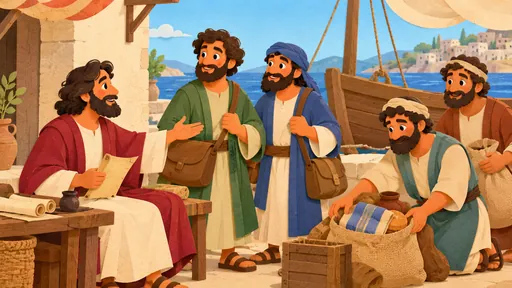
Titus 3:12–15
Help Travellers and Meet Necessary Needs
The letter's final plans turn into a wider lesson about useful help.
Read together with an adult→


Find a story, Bible book or passage.
Some familiar stories
See all Bible stories
Sign in to keep your purchases and downloads together.

Keep the ones you’d like to try.
View saved activitiesTap a heart while you browse. Saved on this device.

Buy as a guest, or sign in to keep your downloads together.
Read the Bible with simple explanations and questions to talk about together.
Find a guide for your family or class. Some readings need extra help from an adult.

1,507 passages to explorePage 57 of 63
LettersTitus 3:12–15
The letter's final plans turn into a wider lesson about useful help.
 Letters
Philemon 1:1–3
A personal letter opens its greeting to several people and a gathered community.
 Letters
Philemon 1:4–7
Paul thanks God for care that has brought real encouragement.
 Letters
Philemon 1:8–22
Read with an adult. Paul's appeal concerns an enslaved man, affection, consent and a possible debt.
 Letters
Philemon 1:23–25
The brief ending remembers a prisoner, four workers and a blessing.
 Letters
Hebrews 1:1–14
The opening compares the Son with angels, using pictures and quotations to show his greatness.
 Letters
Hebrews 2:1–4
A great rescue message deserves serious attention rather than neglect.
 Letters
Hebrews 2:5–18
The passage asks why Jesus suffered as a human being and what help comes through him.
 Letters
Hebrews 3:1–6
Moses is honoured as faithful, while Jesus is shown as greater.
 Letters
Hebrews 3:7–11
The quoted warning remembers people who saw God's deeds yet kept resisting him.
 Letters
Hebrews 3:12–19
A severe wilderness warning is joined to a daily task of encouragement.
 Letters
Hebrews 4:1–11
The promise remains open, but hearing must be joined with trust.
 Letters
Hebrews 4:12–16
The passage moves from searching truth to mercy for people in need.
 Letters
Hebrews 5:1–10
The comparison explains priestly representation, gentle care and Christ's costly obedience.
 Letters
Hebrews 5:11–14
Milk and solid food picture stages of learning rather than a rule about meals.
 Letters
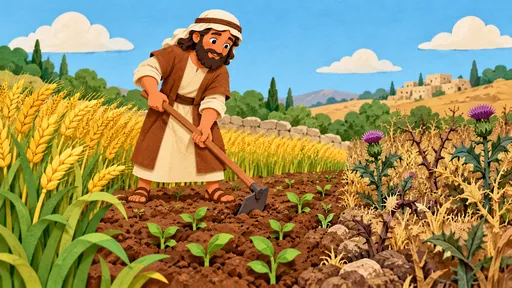
Hebrews 6:1–12
Read with an adult. A severe falling-away warning is followed by reassurance and a call to keep loving and serving.
 Letters
Hebrews 6:13–20
The passage moves from God's promise to Abraham to hope secured through Jesus.
 Letters
Hebrews 7:1–10
Read with an adult. An ancient meeting becomes an argument about priesthood, not a lesson in taking plunder.
 Letters
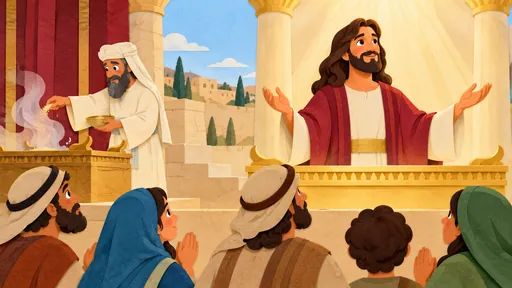
Hebrews 7:11–28
The passage compares a changing line of priests with Jesus' continuing priesthood.
 Letters
Hebrews 8:1–5
The writer states the main point, then compares earthly worship with its heavenly pattern.
 Letters
Hebrews 8:6–13
The promise joins inwardly known teaching, belonging to God and mercy for wrongs.
 Letters
Hebrews 9:1–10
Read with an adult. The furniture and blood rituals support an argument about access to God and conscience.
 Letters
Hebrews 9:11–28
Read with an adult. The comparison includes animal blood, Jesus' death and judgment, and ends with hope.
 Letters
Hebrews 10:1–18
Repeated sacrifices are contrasted with Jesus' single self-offering and God's promise to forgive.