Assembly video coming soon.
We’ll add a step-by-step demonstration here.
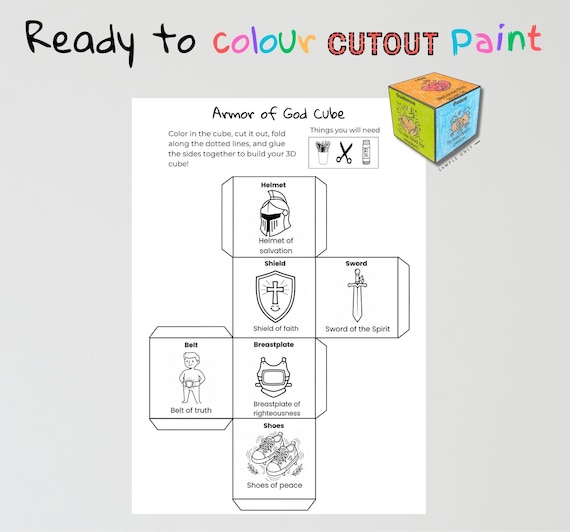
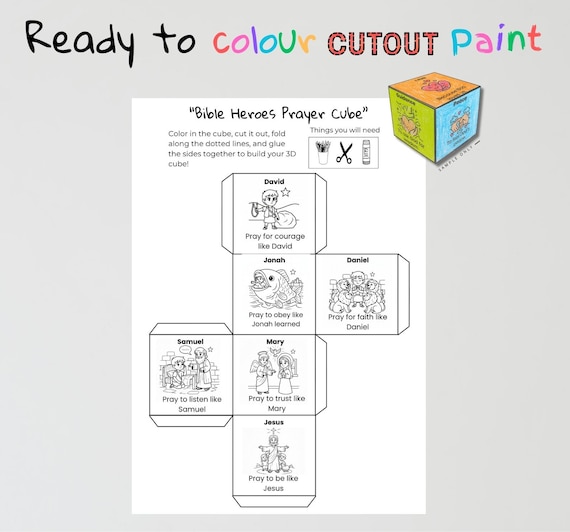
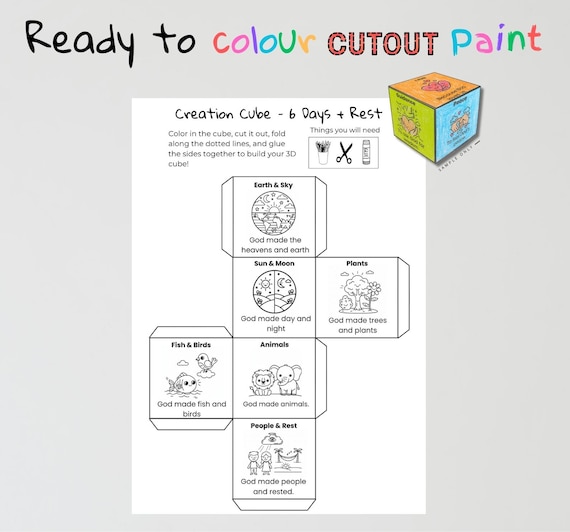
Photos from the Etsy listing. View original Etsy listing ↗
Bible cube craft
Jesus’ Miracles Bible Cube Craft
A printable Bible cube craft based on Jesus’ Miracles. Children colour, cut and fold the template into a cube, then roll it to choose a prompt. Explore Jesus’ power and compassion through the miracles named in the activity, and practise retelling what happened.
- Suggested ages
- 7–12 years
- Activity time
- 20–35 min
- Difficulty
- Moderate
English
Age, time and difficulty are planning guides. Check the preparation notes for adult help.
$4.15 USD
One-time purchase
Digital download · No physical item shipped
What’s included
- A4 Sized for Easy Classroom or Home Printing
- Features 6 Miracles of Jesus with Simple Scripture Prompts
- Each side of the cube highlights a miracle of Jesus, such as Feeding the 5,000, Healing the Blind Man, Calming the Storm, Walking on Water, Raising Lazarus, and Turning Water into Wine. Kids can use the cube to retell each story and reflect on how Jesus showed love, power, and care for others.
Your download files
- JesusMiraclesCube.pdf: 1 page
File inventory and page counts checked against the originals. Page counts include any instruction pages. Please check the preparation notes before printing for a group.
Getting ready
Age & adult help
A cube net needs several folds, tab alignment and controlled gluing.
Help crease the net and hold tabs while they stick. An adult can construct the cube after younger children colour it.
What you’ll need
Printer, paper or light card, colouring pencils or crayons, scissors, glue or tape. A ruler can help with folds.
Time & preparation
One cube, including colouring and assembly. Games and discussion are additional.
Age is an editorial estimate for the motor and reading demands of this format. Difficulty, completion time and suggested tools are planning estimates, not build-tested.
Check the file before you print for a group, and allow for any extra help the kids might need.
Printing tipsThe story behind the craft
Bible passage: John 2:1–11; Matthew 14:13–33; John 9:1–12; Matthew 8:23–27
This collection combines separate accounts, including the wedding at Cana, food for a crowd, sight for a blind man and calm on the lake. Each has its own people, need and response to Jesus.
Main takeaway: The miracles invite attention to Jesus’ identity and his response to people’s needs.
When you turn the cube
Choose one face of the cube and read its words or discuss its picture before turning to another.
Choose one named scene, locate its passage and identify the need before moving to another. Do not treat a collection of miracles as one continuous day.
Younger learners can respond to one face with help. Older learners can connect two faces with the relevant passage and explain whether they are events, themes or prayer prompts.
Questions to explore
- Which event is shown here?
- Who needed help in that account?
- What did the witnesses learn or ask about Jesus?
Common questions
What files are included in this download?
The download is a 1-page PDF: JesusMiraclesCube.pdf. This is the English edition. You print the files yourself; physical supplies are not included.
How do I build and use the cube?
Colour the six faces while the net is flat, cut around the outside, crease the marked edges and glue the tabs inside to form the cube. Turn or roll it and discuss the face that lands uppermost. The faces name feeding 5,000, walking on water, the fish catch, healing a blind person, healing the sick and Lazarus.
Which pages should I print, and at what size?
The original PDF pages are A4 portrait. JesusMiraclesCube.pdf: print the page for each learner or group. Print single-sided. On US Letter paper, select Letter and Fit or shrink to the printable area; the originals are not separate Letter-sized files.
What supplies and preparation does this need?
Paper or printer-compatible light card, colouring pencils, scissors and glue. Help crease the net and hold each tab while it sticks.
What help might children need with this activity?
Suggested ages: 7–12 years. Help crease the net and hold tabs while they stick. An adult can construct the cube after younger children colour it. Adjust this guide for the child’s reading and making skills.
Reviews
No reviews yet. Made this craft? Tell us how it went.