

 Letters
1 Thessalonians 5:1–11
Be Ready with Faith, Love and Hope
The day is unexpected. The response is steady living and mutual encouragement.
Read together with an adult→


Find a story, Bible book or passage.
Some familiar stories
See all Bible stories
Sign in to keep your purchases and downloads together.

Keep the ones you’d like to try.
View saved activitiesTap a heart while you browse. Saved on this device.

Buy as a guest, or sign in to keep your downloads together.
Read the Bible with simple explanations and questions to talk about together.
Find a guide for your family or class. Some readings need extra help from an adult.

1,507 passages to explorePage 55 of 63
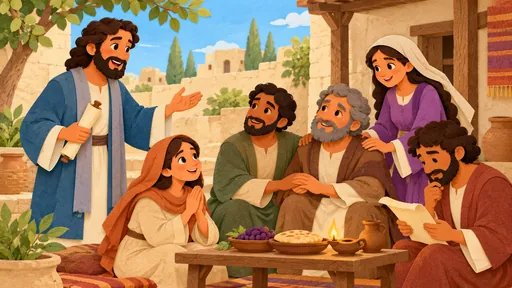
Letters1 Thessalonians 5:1–11
The day is unexpected. The response is steady living and mutual encouragement.
 Letters
1 Thessalonians 5:12–22
The short commands join patient care, prayer and careful judgment.
 Letters
1 Thessalonians 5:23–28
The ending combines a prayer for the whole person with shared prayer, greeting and reading.
 Letters
2 Thessalonians 1:1–4
The letter begins by noticing growth while trouble is still happening.
 Letters
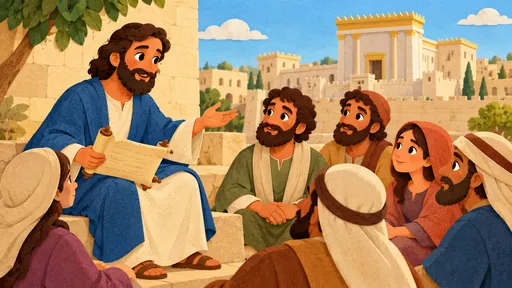
2 Thessalonians 1:5–12
Read with an adult. The passage promises relief to suffering believers and speaks severely about judgment.
 Letters
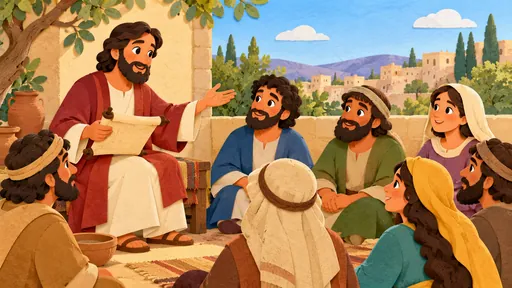
2 Thessalonians 2:1–12
Read with an adult. The warning is meant to steady people unsettled by a frightening claim.
 Letters
2 Thessalonians 2:13–17
Loved and called people are urged to stay steady and seek strength for good actions and words.
 Poetry and prayer
2 Thessalonians 3:1–5
The writers ask for help and then pray for the people helping them.
 Letters
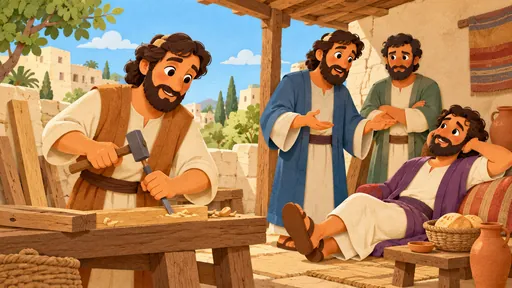
2 Thessalonians 3:6–15
Read with an adult. The passage addresses deliberate refusal to work and gives severe community correction.
 Letters
2 Thessalonians 3:16–18
The letter closes with peace, a personal identifying mark and grace.
 Letters
1 Timothy 1:1–2
A personal letter opens by naming a shared hope and a close bond of faith.
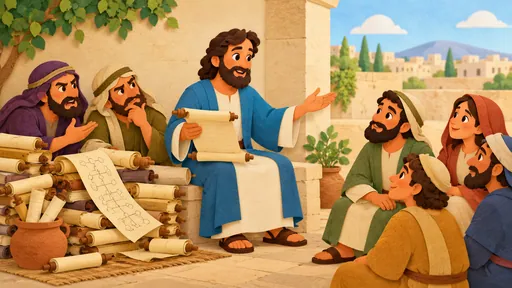 Letters
1 Timothy 1:3–11
Read with an adult. The passage contrasts loving, truthful teaching with empty disputes and serious wrongdoing.
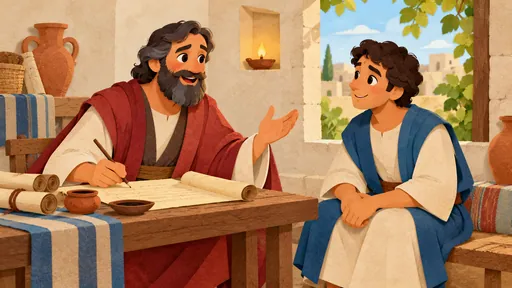 Letters
1 Timothy 1:12–20
Paul's thanks for mercy leads to a warning about faith and conscience.
 Poetry and prayer
1 Timothy 2:1–8
Prayer reaches beyond friends and rests on the one God and Christ Jesus.
 Letters
1 Timothy 2:9–15
Read with an adult. Notice the good works, permission to learn, restrictions and difficult final line.
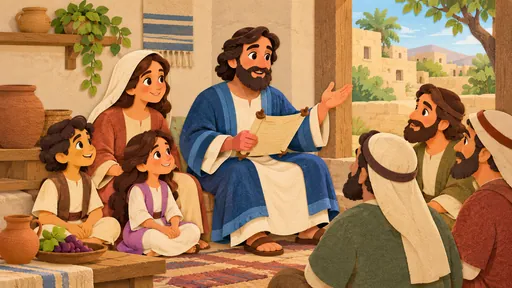 Letters
1 Timothy 3:1–7
Wanting to lead is not enough. The passage asks what a person's life is like.
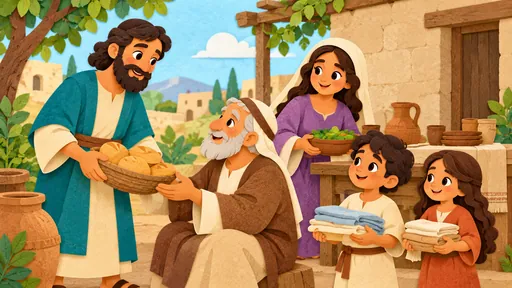 Letters
1 Timothy 3:8–13
The faith people speak should fit the way they behave.
 Letters
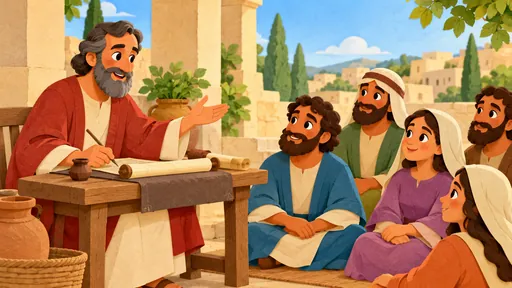
1 Timothy 3:14–16
A hoped-for visit may be delayed, so written teaching should guide the group now.
 Letters
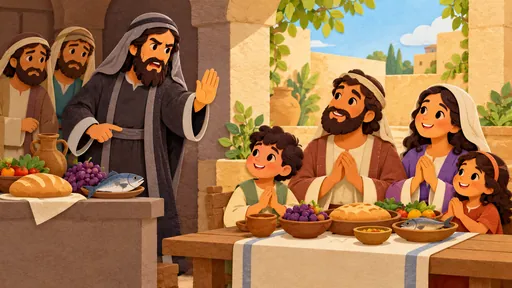
1 Timothy 4:1–5
The warning answers teaching that forbids good things God created.
 Letters
1 Timothy 4:6–16
Teaching, daily example and steady learning belong together.
 Letters
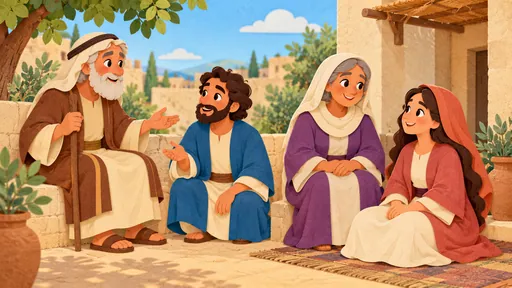
1 Timothy 5:1–2
The instructions change how people are addressed, without banning all correction.
 Letters
1 Timothy 5:3–16
Read with an adult. The passage gives detailed rules for a particular community's care of widows.
 Letters
1 Timothy 5:17–20
Honour for leaders is joined to evidence and correction, not exemption from scrutiny.
 Letters
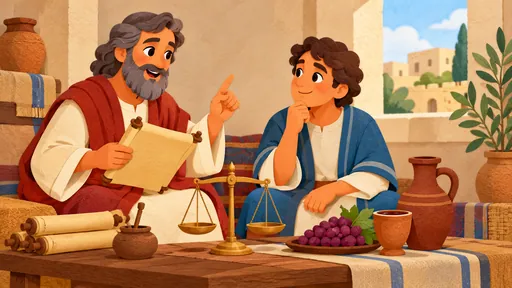
1 Timothy 5:21–25
Some actions are obvious, while others become clear only over time.