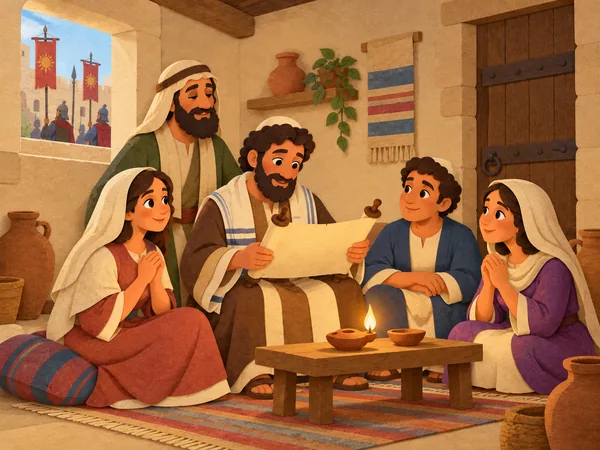
Psalms 16:1–11
Psalm 16: The Presence of the LORD
Psalm 16 is a song of trust. The speaker asks God for protection, rejects other gods, and describes the joy, security and life found in the LORD’s presence with vivid poetic images.
Read. Talk. Make.
A story to share, something to wonder about, and a little making together.
For Sunday school, home and the classroom.
1,295 lessons to explorePage 35 of 54
Psalms 16:1–11
Psalm 16 is a song of trust. The speaker asks God for protection, rejects other gods, and describes the joy, security and life found in the LORD’s presence with vivid poetic images.
Psalms 17:1–15
Psalm 17 is a prayer-poem asking Yahweh to hear, judge fairly, and protect. The speaker appeals to God on the basis of honest speech, careful conduct, and confidence that God sees both danger and righteousness.
Psalms 18:1–50
Psalm 18 is a song of love, danger, rescue and praise to Yahweh. The speaker calls God his refuge, describes deep distress in vivid poetry, and ends by thanking Yahweh for deliverance and royal help.
Psalms 19:1–14
Psalm 19 is a poem that moves from the sky above us to God’s words, then to a personal prayer. It shows that creation speaks about God, and that God’s instruction reaches deeply into a person’s life.
Psalms 20:1–9
Psalm 20 is a prayer-song for a day of trouble. It asks Yahweh to help, support and save, and it contrasts trust in military strength with trust in the name of Yahweh.
Psalms 21:1–13
Psalm 21 is a song of joy and praise. It celebrates the king’s rejoicing in Yahweh’s strength, thanks Yahweh for answered prayer and blessing, and ends by exalting Yahweh’s power over enemies.
Psalms 22:1–31
Psalm 22 is a song that begins with deep anguish and urgent prayer, then moves toward praise and confidence. It helps readers notice how the speaker brings pain, memory, trust and public worship before God.
Psalms 24:1–10
Psalm 24 is a song that begins with Yahweh as owner and founder of the whole earth, then asks who may come near him, and ends by welcoming the King of glory.
Psalms 25:1–22
Psalm 25 is a prayer-song of trust, learning and mercy. The speaker turns to Yahweh, asks for guidance and forgiveness, and keeps praying through trouble until the song widens into a prayer for Israel.
Psalms 26:1–12
Psalm 26 is a poetic prayer to Yahweh. The speaker asks to be judged and examined, speaks of walking in integrity, and contrasts worship, thanksgiving, and love for Yahweh’s house with the ways of the wicked.
Psalms 27:1–14
Psalm 27 is a song that moves from bold confidence to honest prayer. The singer speaks about fear, worship, enemies, guidance and waiting, while keeping Yahweh at the centre from beginning to end.
Psalms 28:1–9
Psalm 28 is a prayer-song that moves from urgent calling to thankful praise. The singer asks Yahweh to hear, to judge the wicked rightly, and to care for his people.
Psalms 29:1–11
Psalm 29 is a song that calls hearers to give Yahweh the glory that belongs to him. It moves from a call to worship, to the power of Yahweh’s voice, and finishes with his kingship, strength and peace.
Psalms 30:1–12
Psalm 30 is a thankful song to Yahweh. The speaker remembers danger, prayer, mercy, and rescue. The poem moves from trouble to praise and invites others to thank Yahweh too.
Psalms 31:1–24
Psalm 31 is a prayer-song that moves from urgent rescue, to deep distress, to praise and courage. The speaker trusts Yahweh honestly while describing grief, danger and public shame.
Psalms 32:1–11
Psalm 32 is a song about the happiness of forgiveness. It moves from the pain of hiding sin to confession, then to prayer, guidance, trust, and a final call to rejoice in Yahweh.
Psalms 33:1–22
Psalm 33 is a song calling people to rejoice, sing, and stand in awe of Yahweh. It ties praise to who he is: true in word, faithful in work, Creator of all, and the one his people trust.
Lesson sequenceJudges 13:1–25; Judges 14:1–20; Judges 15:1–20; Judges 16:1–3; Judges 16:4–31
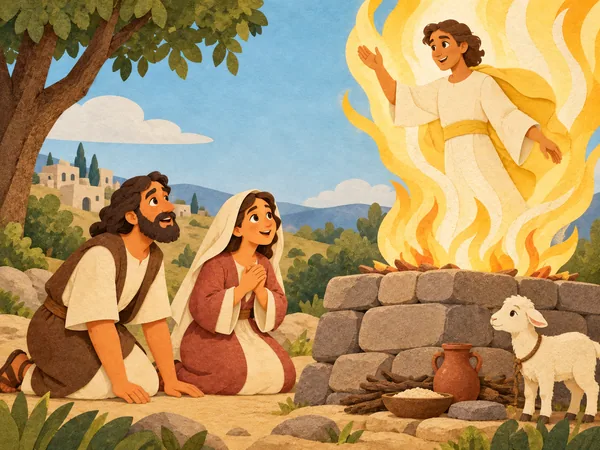
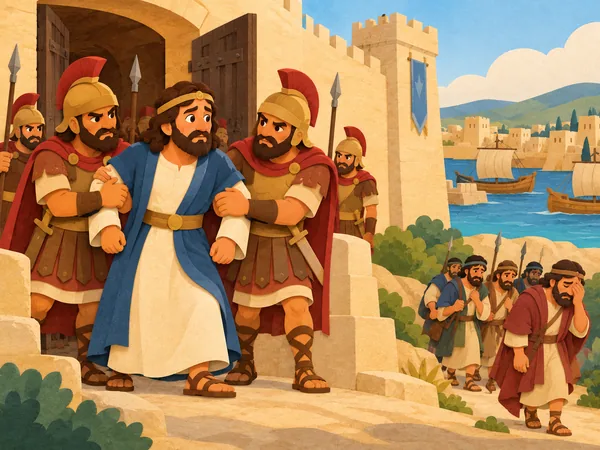
God announced Samson’s birth and gave his parents careful instructions before the child was born. This lesson also brings together Samson's Wedding and Riddle, Samson and the Philistines, Samson Escapes from Gaza, Samson and Delilah.
Single lesson2 Samuel 11:1–27; 2 Samuel 12:1–25
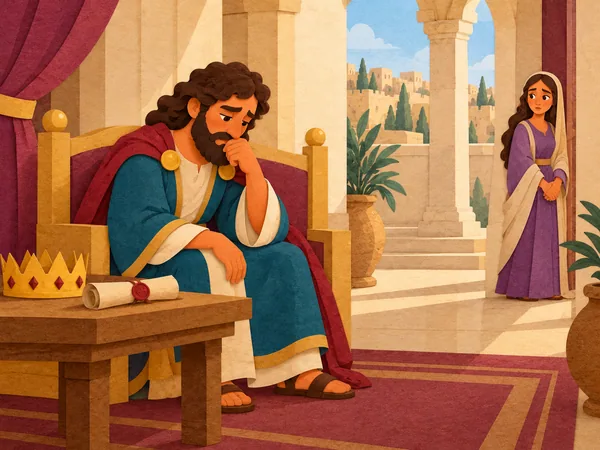
David misused his royal power, took Uriah’s wife and arranged Uriah’s death. Yahweh sent Nathan to expose his wrongdoing. This lesson follows David’s confession, the forgiveness announced to him and the sorrowful consequences that remained.
Lesson sequenceJudith 1:1–5:4; Judith 5:22–6:21; Judith 7:1–32; Judith 8:1–36; Judith 10:1–12:9; Judith 12:10–13:20; Judith 14:5–15:13; Judith 16:18–20
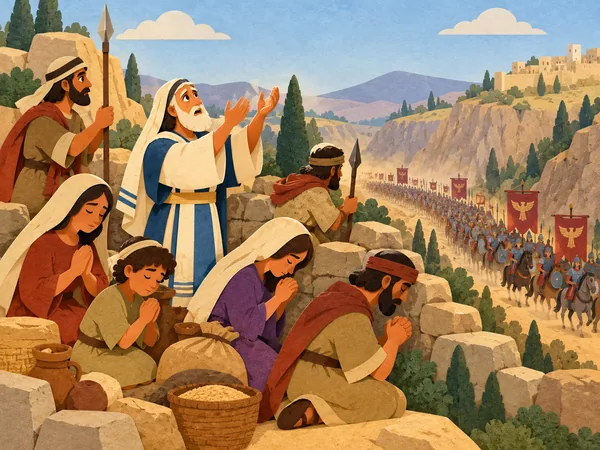
This four-session sequence follows the invading army, Achior’s arrival in Bethulia, the water crisis, Judith’s response and dangerous plan, Holofernes’ death and the city’s deliverance. Trace the reported prayers, choices and outcomes, keeping each speaker’s claims distinct from the narrator’s account.
Catholic additional books
Lesson sequence1 Maccabees 12:39–53; 1 Maccabees 13:1–30; 1 Maccabees 13:31–14:3; 1 Maccabees 15:10–14; 1 Maccabees 15:25–16:10; 1 Maccabees 16:11–22
These passages follow Tryphon's capture of Jonathan, Simon's leadership and gains in Judea, renewed royal conflict, and the betrayal that kills Simon while John survives. The five units can be studied separately or traced in an overview.
Catholic additional books
Single lesson2 Maccabees 6:1–11; 2 Maccabees 6:18–31; 2 Maccabees 7:1–42
This passage from 2 Maccabees shows how cruel pressure was used to force Jewish people to abandon God’s law. This lesson also brings together Eleazar Refuses to Pretend, The Mother and Her Seven Sons.
Catholic additional books
Wisdom of Solomon 6:22–7:6
This wisdom passage promises a truthful explanation of wisdom, then reminds readers that even a king shares the same human beginning and end as everyone else.
Catholic additional books
Wisdom of Solomon 7:22–8:1
This passage from the Catholic additional book Wisdom of Solomon praises wisdom in rich poetic language. It describes wisdom’s character, her purity, her closeness to God, and her strength to renew and order all things.
Catholic additional books