

 Single lesson
Exodus 2:11–25
Moses Flees to Midian
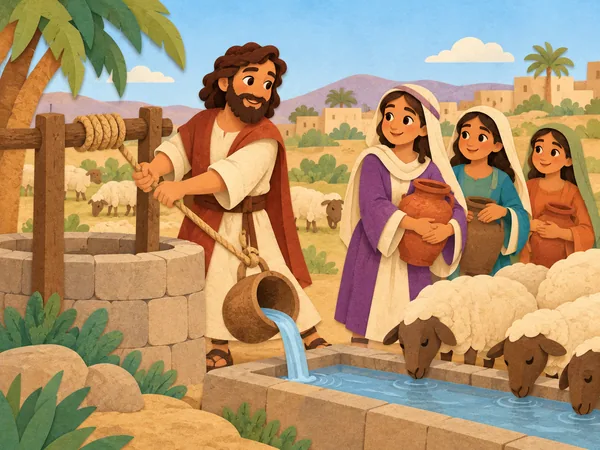
After Moses fled Egypt, he found a home in Midian while God heard Israel’s cries.
Ages 12+ · 40 min→


Find a story, Bible book or passage.
Some familiar stories
See all Bible stories
Sign in to keep your purchases and downloads together.

Keep the ones you’d like to try.
View saved activitiesTap a heart while you browse. Saved on this device.

Buy as a guest, or sign in to keep your downloads together.
Read. Talk. Make.
A story to share, something to wonder about, and a little making together.
For Sunday school, home and the classroom.
1,295 lessons to explorePage 53 of 54
Single lessonExodus 2:11–25
After Moses fled Egypt, he found a home in Midian while God heard Israel’s cries.
Exodus 12:1–28; Exodus 12:43–51
Exodus 12 gives Israel detailed instructions for the first Passover and for keeping it in later generations. The passage joins a household meal, God’s judgment in Egypt, and an ongoing act of worship and remembrance.
Exodus 13:1–16
Exodus 13:1–16 gives instructions for remembering the exodus. It links unleavened bread with dedicating the firstborn so Israel will keep recalling Yahweh’s deliverance and explaining it to children.
Exodus 20:22–23:33
These chapters speak to the children of Israel after Yahweh says they have seen that he spoke from heaven. The laws cover worship, servants, injury, property, justice, care for vulnerable people, appointed feasts, and warnings about life in the land.
Exodus 31:12–17; Exodus 35:1–3
These verses repeat the Sabbath command in Exodus and show why it mattered. The passage links the Sabbath with holiness, covenant, creation, and a clear command for Israel’s daily life.
Leviticus 1:1–7:38
Leviticus 1 to 7 gives a structured guide to several offerings, each with its own materials, actions and rules. Rather than blending them together, the passage carefully separates their purposes and adds further laws for priests and worship.
 Single lesson
Leviticus 10:1–7
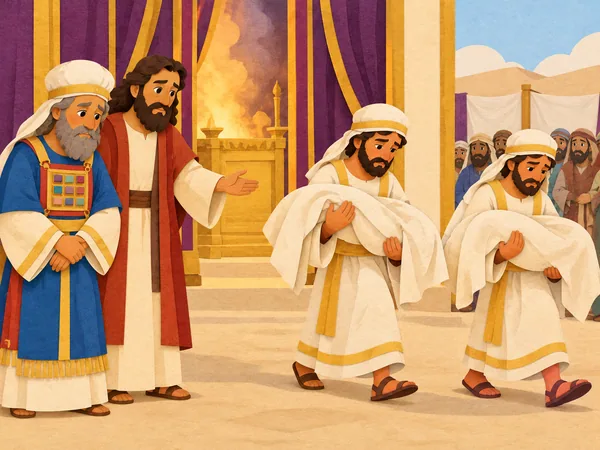
Two of Aaron’s sons offered what God had not commanded, and Israel learned that the LORD is holy.
Leviticus 10:8–20
This passage explains instructions for Aaron and his sons about serving in the Tent of Meeting, distinguishing important categories, teaching Israel, and handling different offering portions in the right places before Yahweh.
Leviticus 11:1–15:33
Leviticus 11 to 15 gathers laws about food, childbirth, skin conditions, mildew and bodily discharges. The passage repeatedly explains what is clean or unclean, what makes a person or object unclean, and how cleansing is recognised.
Leviticus 16:1–34; Leviticus 23:26–32
These passages set out the Day of Atonement in detail. They explain how the priest was to approach the Most Holy Place, how atonement was made, and how the whole people were to observe this day each year.
Leviticus 17:1–22:33
Leviticus 17 to 22 gathers laws about sacrifice, blood, sexual boundaries, everyday holiness, priestly service and offerings. Across these chapters, Yahweh’s people are told to treat his worship, name and gifts as holy.
Leviticus 23:1–25; Leviticus 23:33–44
This passage lists several of Yahweh’s appointed festivals for Israel. It shows set times for rest, worship, offerings, harvest remembrance, and rejoicing, with each festival named and ordered within the year.
 Single lesson
Leviticus 24:10–16
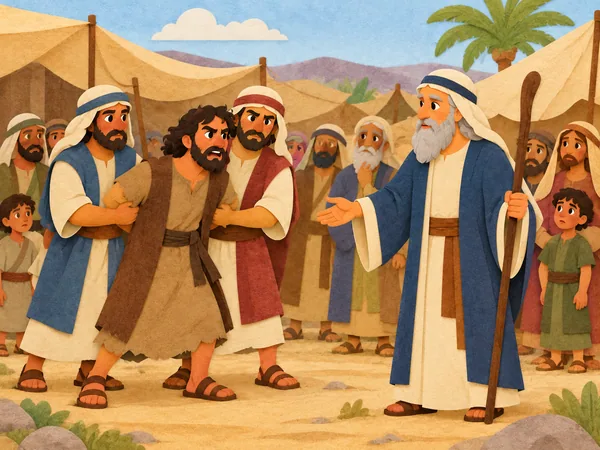
A quarrel in the camp became a serious case, and Moses waited for the Lord to make the judgement clear.
Leviticus 24:17–23
This law passage sets out penalties for killing and injury, then ends by showing Israel doing what Yahweh commanded through Moses. It teaches that judgment was to match the offence and that the same law applied to different people.
Leviticus 25:1–55
Leviticus 25 gathers laws about land, prices, poverty and service into one ordered chapter. It repeatedly ties everyday decisions to Yahweh’s rule over the land and over Israel’s life together.
Leviticus 26:1–46
Leviticus 26 sets out covenant teaching for Israel. It contrasts blessing for obedience, increasing consequences for refusing Yahweh, and a path of confession and remembered covenant when people are humbled.
Leviticus 27:1–34
Leviticus 27 closes with laws about vows, dedicated property and tithes. The details vary, but the chapter repeatedly shows that what is set apart to Yahweh is to be treated by his stated rules, not by personal convenience.
Numbers 5:1–6:21
Numbers 5:1–6:21 gathers laws about uncleanness, guilt, jealousy in marriage, and a Nazirite vow. It is not a story episode. The passage shows ordered ways Israel was to guard holiness in the camp and in personal vows.
Numbers 15:1–31; Numbers 15:37–41
These instructions in Numbers 15 explain worship in the land, gifts from the first dough, how unwitting sin was addressed, and how fringes on clothing were to help Israel remember Yahweh’s commands.
 Single lesson
Numbers 15:32–36
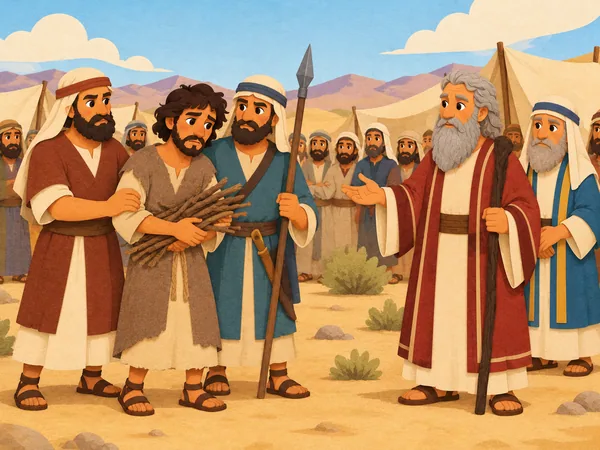
In the wilderness, Israel brings a man to Moses after finding him gathering sticks on the Sabbath.
Numbers 18:1–19:22
Numbers 18:1–19:22 explains who may serve at the sanctuary, how priests and Levites are provided for, and how Israel was to deal with uncleanness linked to death. The passage stresses careful obedience around holy things.
 Single lesson
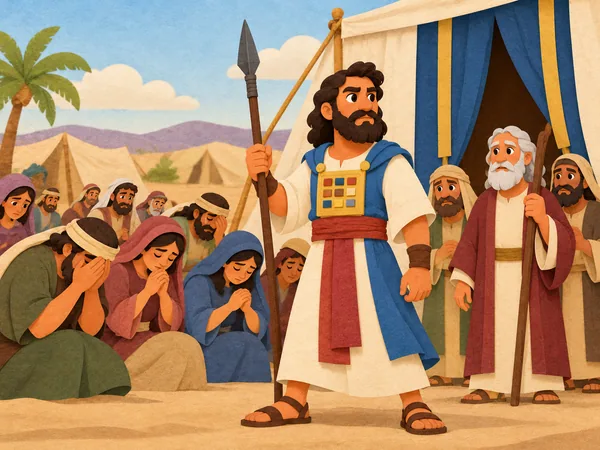
Numbers 25:1–18
Israel was drawn into false worship at Peor, and the events that followed showed how serious this rebellion was.
Numbers 28:1–29:40
This passage gives ordered instructions for offerings at daily, weekly, monthly, and festival times. It shows worship arranged by set occasions, with regular sacrifices and added offerings for special days.
Numbers 30:1–16
Numbers 30:1–16 explains how vows and oaths were to be handled among Israel. The passage focuses on spoken promises made to Yahweh and on when those words stood, were stopped, or were made void under these statutes.