

 Single lesson
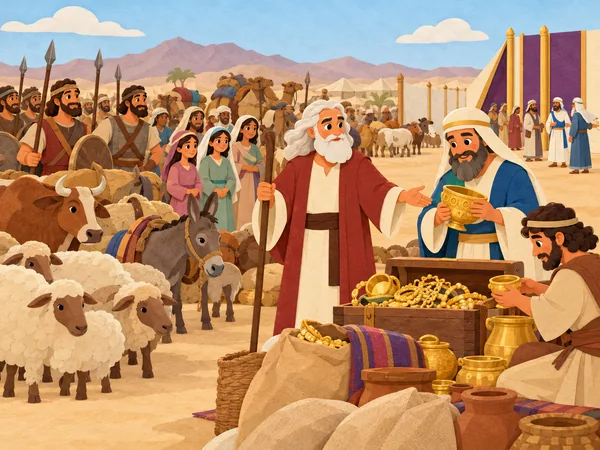
Numbers 31:1–54
Israel's Campaign against Midian
Israel fought Midian, and afterward Moses and Eleazar counted, purified, and divided the spoil as God commanded.
Ages 12+ · 40 min→


Find a story, Bible book or passage.
Some familiar stories
See all Bible stories
Sign in to keep your purchases and downloads together.

Keep the ones you’d like to try.
View saved activitiesTap a heart while you browse. Saved on this device.

Buy as a guest, or sign in to keep your downloads together.
Read. Talk. Make.
A story to share, something to wonder about, and a little making together.
For Sunday school, home and the classroom.
1,295 lessons to explorePage 54 of 54
Single lessonNumbers 31:1–54
Israel fought Midian, and afterward Moses and Eleazar counted, purified, and divided the spoil as God commanded.
Numbers 33:50–35:34
This passage sets out how Israel was to live in Canaan: removing idol worship, receiving defined tribal land, appointing leaders, giving towns to Levites, and handling killings with refuge cities and formal judgement.
Deuteronomy 4:1–5:4; Deuteronomy 5:22–11:32
Moses calls Israel to listen carefully, remember what Yahweh has done, and stay faithful in the land they are about to enter. This speech ties life, blessing, and covenant loyalty closely together.
Deuteronomy 12:1–16:17
Deuteronomy 12:1 to 16:17 gives laws for worship, food, giving, release and yearly feasts. The passage repeatedly shows that Israel was to worship Yahweh as he commanded, remember redemption from Egypt, and include others in shared rejoicing and provision.
Deuteronomy 16:18–19:21
This law passage sets out how Israel was to appoint leaders, test evidence and deal with serious wrongdoing in the land Yahweh gives. It ties justice, worship and truthful speech closely together.
Deuteronomy 20:1–26:19
Deuteronomy 20:1 to 26:19 gathers many laws for Israel’s life in the land, from battle and households to justice, worship and care for vulnerable people. This guide maps the passage’s law units in order.
Deuteronomy 27:1–30:20
Deuteronomy 27 to 30 gathers Moses’ covenant teaching into a clear choice. Israel is told to remember Yahweh’s law, hear blessings and curses, and understand that life in the land is tied to loving and obeying Yahweh.
Deuteronomy 31:9–13; Deuteronomy 31:24–29
This passage shows Moses writing the law, giving it to priests and elders, and commanding that it be read to all Israel. It also explains why Moses commanded the book to be placed beside the ark and why that mattered.
 Single lesson
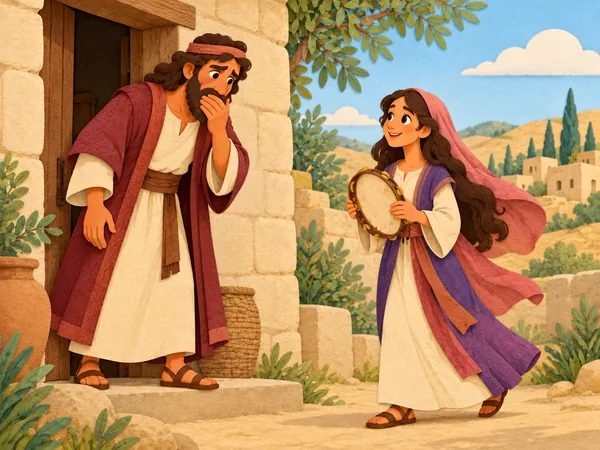
Judges 10:6–11:40
As Israel suffered under Ammon, Jephthah became their leader, won the battle, and then faced the grief of his own rash vow.
 Single lesson
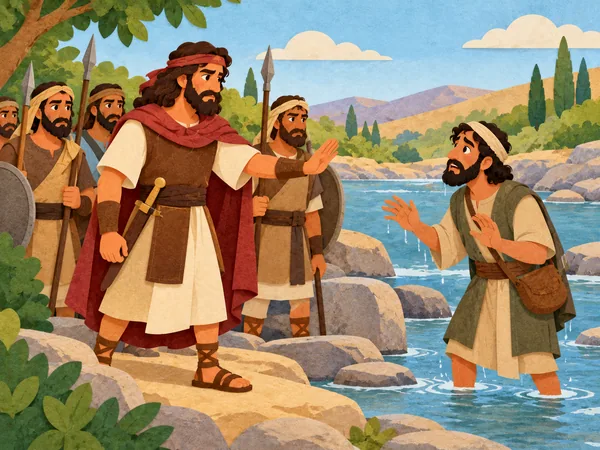
Judges 12:1–7
After Jephthah’s victory over Ammon, a bitter quarrel with Ephraim turned into a tragic fight.
 Single lesson
Judges 19:1–21:25
A terrible crime at Gibeah led Israel into grief, civil war, and even more sinful choices.
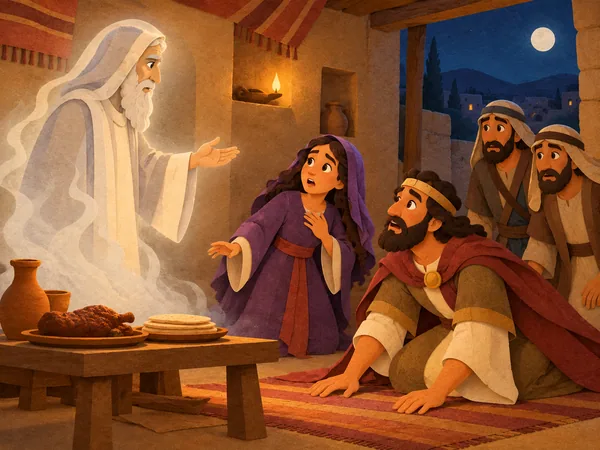 Single lesson
1 Samuel 28:1–25
On a fearful night before battle, Saul looked for help in a place he himself had once forbidden.
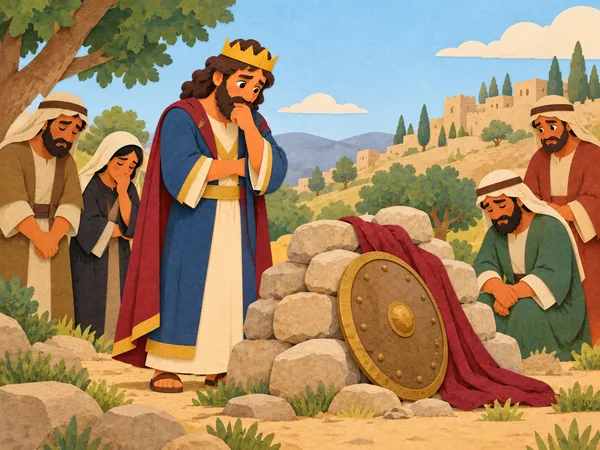 Single lesson
2 Samuel 3:6–39
Abner offered to help bring Israel to David, but the meeting was followed by treachery, death, and public mourning.
 Single lesson
2 Samuel 4:1–12
After Ish-bosheth was killed, David made it clear that he would not welcome murder as a path to the throne.
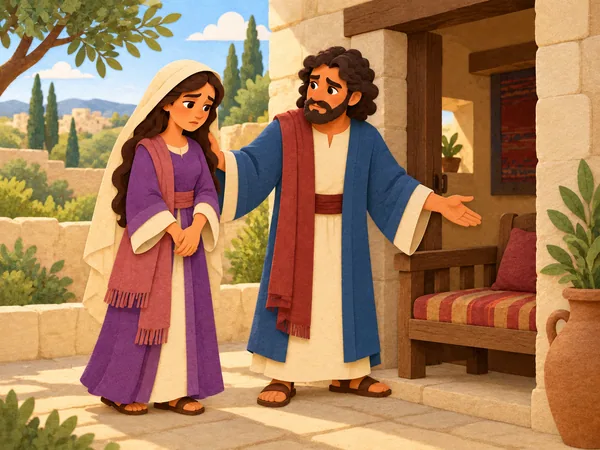 Single lesson
2 Samuel 13:1–22
A painful part of David’s family story shows Tamar being deceived, assaulted, and left in deep sorrow.
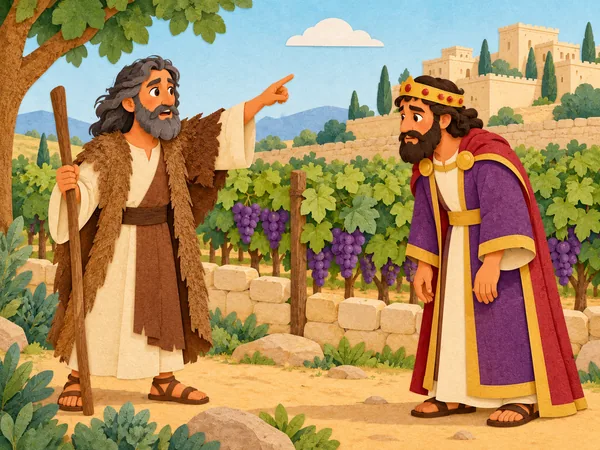 Single lesson
1 Kings 21:1–29
King Ahab wanted a vineyard, but greed, lies, and abuse of power brought great injustice.
 Single lesson
2 Kings 8:25–10:36; 2 Chronicles 22:1–9
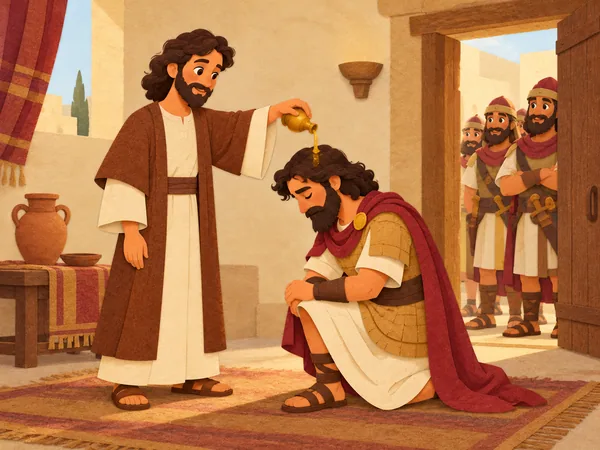
Jehu's sudden rise to power brought a severe and unsettling end to Ahab's royal house.
Nehemiah 9:1–10:39
Nehemiah 9:1–10:39 shows a gathered people confessing sin, praising Yahweh, remembering his dealings with Israel, and putting their response into a written covenant with clear commitments.
Judith 9:1–14
Judith 9 records a prayer from the Catholic additional book of Judith. In this passage, Judith humbles herself before God, remembers his past acts, describes the Assyrian threat, and asks him to act so his name is known.
Catholic additional books
Judith 16:1–17
Judith 16:1–17 is a thanksgiving song from the Catholic additional book of Judith. It calls God’s people to praise, remembers a deadly threat, and ends by honouring the Lord’s power, mercy, and judgment.
Catholic additional books
Judith 16:21–25
These verses close the book by recording Judith’s later years. The passage stays brief and factual, noting where she lived, how she was regarded, what happened at her death, and the peace remembered in her days.
Catholic additional books
Esther (Greek) 10:4–13
Mordecai explains his dream after the events it pointed to. He says the dream came from God, its details proved true, and its meaning shows God’s rescue, vindication, and remembrance of his people.
Greek source variant
 Single lesson
2 Maccabees 14:37–46
When Nicanor sent soldiers to seize Razis in Jerusalem, the siege ended in a desperate and tragic death.
Catholic additional books