

 Single lesson
2 Kings 16:1–20; 2 Chronicles 28:1–27
Ahaz's Choices and the Returned Captives
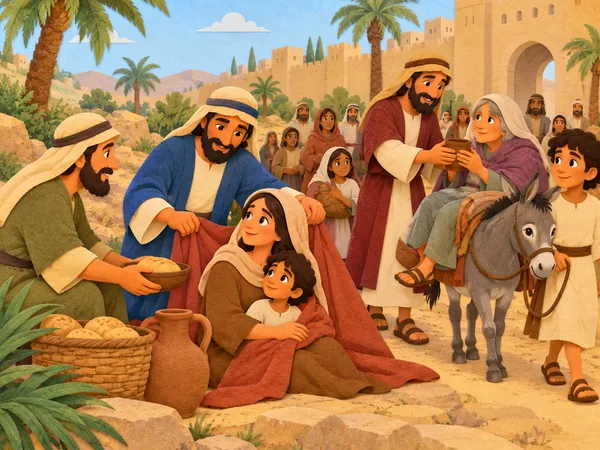
Ahaz chose unfaithfulness, and in a time of crushing war God used a prophet and some leaders of Ephraim to stop further wrong.
12–17 years · 40 min→


Find a story, Bible book or passage.
Some familiar stories
See all Bible stories
Sign in to keep your purchases and downloads together.

Keep the ones you’d like to try.
View saved activitiesTap a heart while you browse. Saved on this device.

Buy as a guest, or sign in to keep your downloads together.
Read. Talk. Make.
A story to share, something to wonder about, and a little making together.
For Sunday school, home and the classroom.
1,295 lessons to explorePage 32 of 54
Single lesson2 Kings 16:1–20; 2 Chronicles 28:1–27
Ahaz chose unfaithfulness, and in a time of crushing war God used a prophet and some leaders of Ephraim to stop further wrong.
 Single lesson
2 Kings 17:5–41
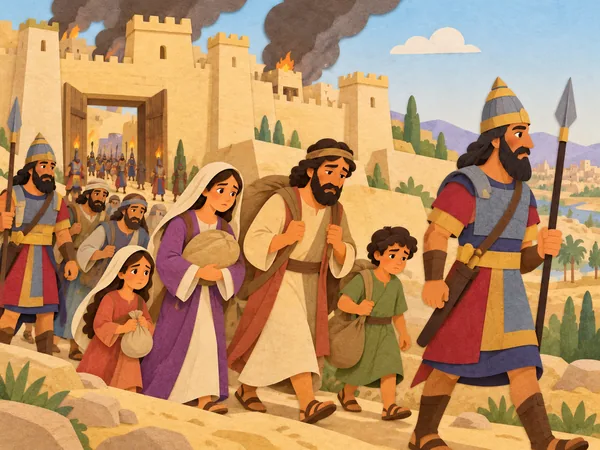
Assyria captured Samaria, and this passage explains why Israel was exiled and what happened in the land afterwards.
 Single lesson
2 Kings 18:1–12; 2 Chronicles 29:1–31:21
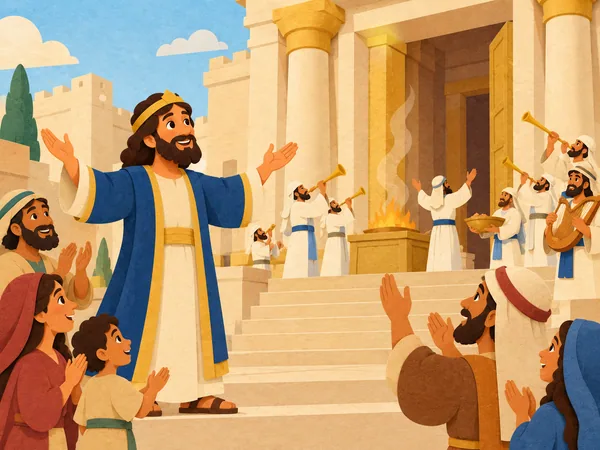
King Hezekiah cleansed the temple, called the people to keep Passover, and restored support for the priests and Levites.
 Single lesson
2 Kings 18:13–19:37; 2 Chronicles 32:1–23; Isaiah 36:1–37:38
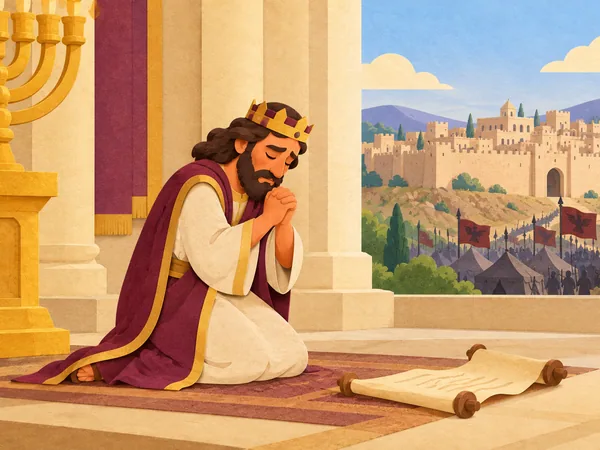
When Assyria pressed hard against Judah and threatened Jerusalem, Hezekiah turned to the Lord for help.
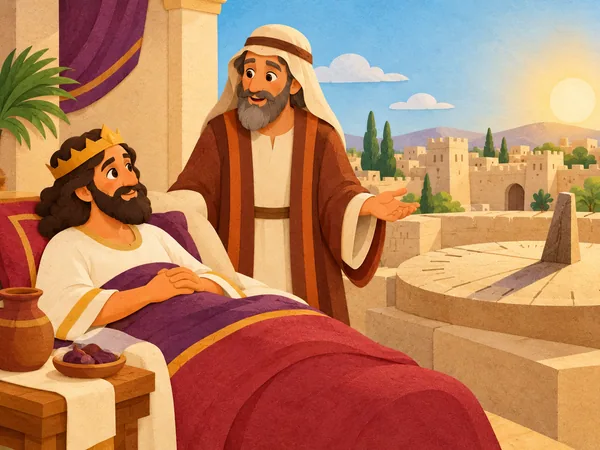 Single lesson
2 Kings 20:1–11; Isaiah 38:1–8
When King Hezekiah became gravely ill, he prayed to the Lord, and God gave him both a promise and a sign.
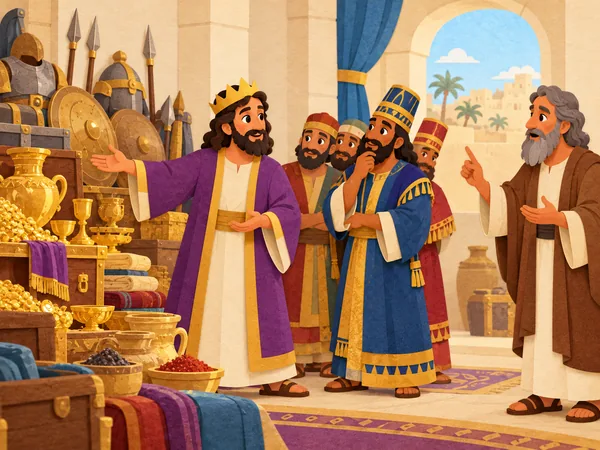 Single lesson
2 Kings 20:12–19; Isaiah 39:1–8
When visitors came from Babylon, King Hezekiah showed them all his treasures, and Isaiah brought a hard warning from the Lord.
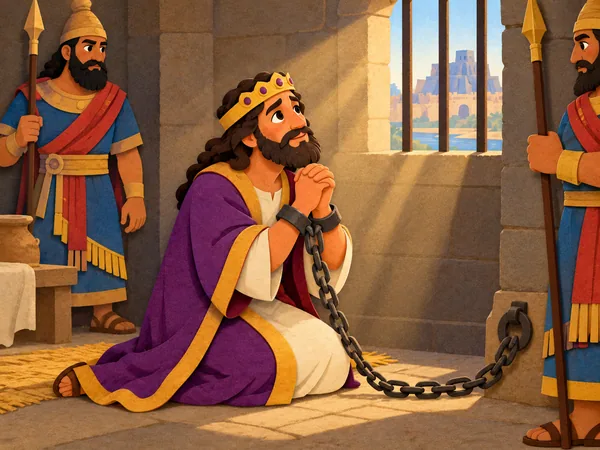 Single lesson
2 Kings 21:1–18; 2 Chronicles 33:1–20
King Manasseh led Judah into great evil, and later, in deep distress, he humbled himself before God.
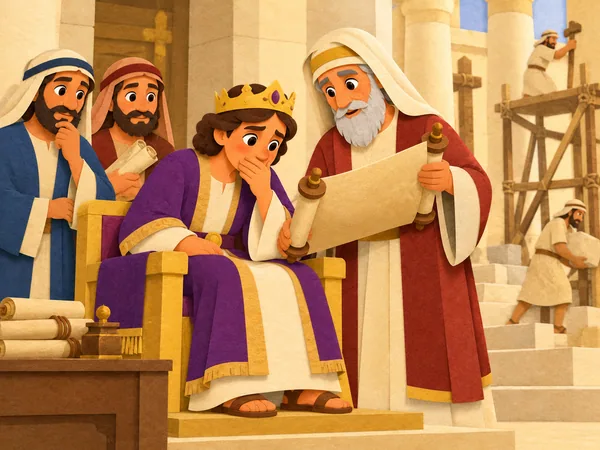 Single lesson
2 Kings 22:1–23:20; 2 Chronicles 34:1–33
During repairs at the Lord's house, a discovered book led King Josiah to grief, inquiry, and sweeping reform.
 Single lesson
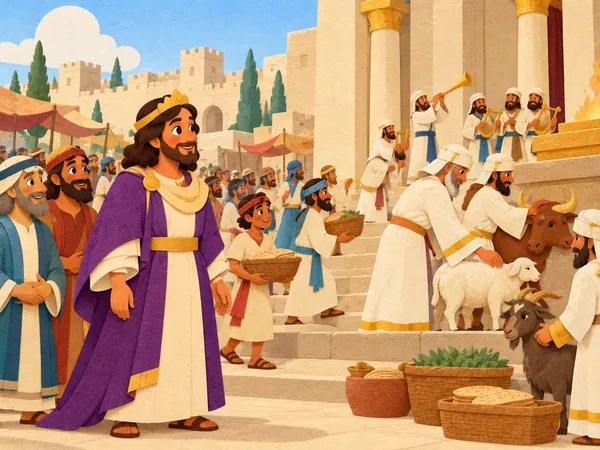
2 Kings 23:21–27; 2 Chronicles 35:1–19
King Josiah led Judah and the people present from Israel in a carefully prepared Passover in Jerusalem, according to God’s law.
 Single lesson
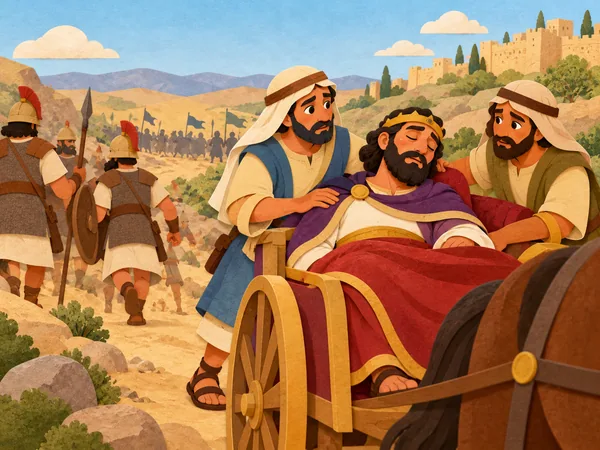
2 Kings 23:28–30; 2 Chronicles 35:20–27
King Josiah went out against Neco of Egypt, was struck down at Megiddo, and Judah mourned deeply when he died.
 Single lesson
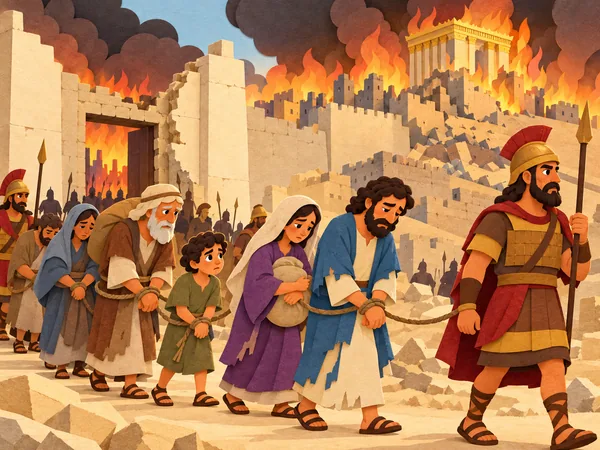
2 Kings 25:1–21; 2 Chronicles 36:15–21; Jeremiah 39:1–10; Jeremiah 52:1–30
Jerusalem was besieged, broken, burned, and its people were driven into exile.
 Single lesson
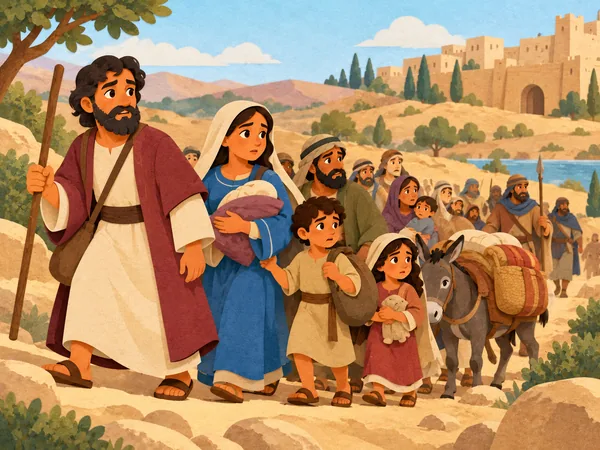
2 Kings 25:22–26; Jeremiah 40:7–41:18
After Jerusalem fell, a small remnant in Judah found brief order under Gedaliah, but violence soon shattered it.
 Single lesson
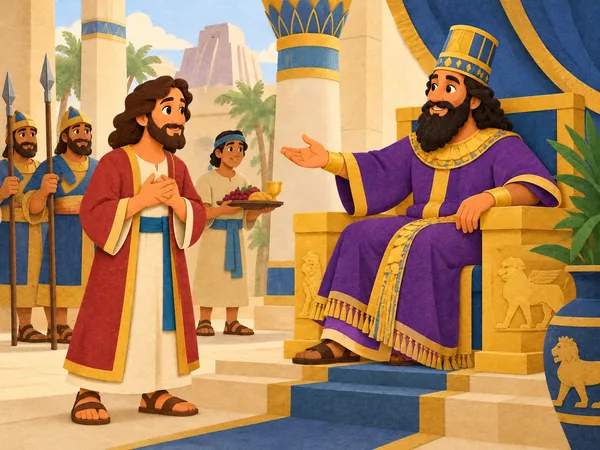
2 Kings 25:27–30; Jeremiah 52:31–34
After many years in captivity, Jehoiachin king of Judah was brought out of prison and treated with kindness in Babylon.
1 Chronicles 4:9–10
These two verses give a brief note about Jabez inside a genealogy and then record his prayer. The passage is short, but it shows what he asked from the God of Israel and the answer he received.
1 Chronicles 16:7–36
This song begins with thanks to Yahweh and moves outward to praise, memory, witness, and prayer. It teaches God’s people to remember what he has done and to tell the nations who he is.
 Single lesson
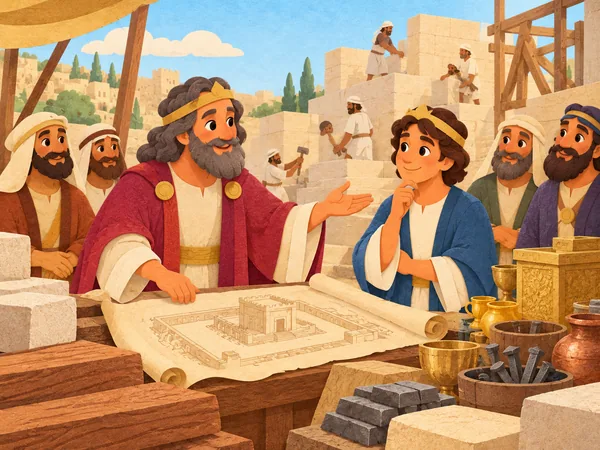
1 Chronicles 22:1–19; 1 Chronicles 28:1–29:9
David gathered supplies, instructed Solomon, and led Israel's leaders in generous preparation for God's house.
1 Chronicles 29:10–20
This prayer shows David praising Yahweh in front of the whole assembly as gifts have been prepared for building a house for Yahweh’s holy name. It teaches that praise, thanks, humility, and prayer belong together.
 Single lesson
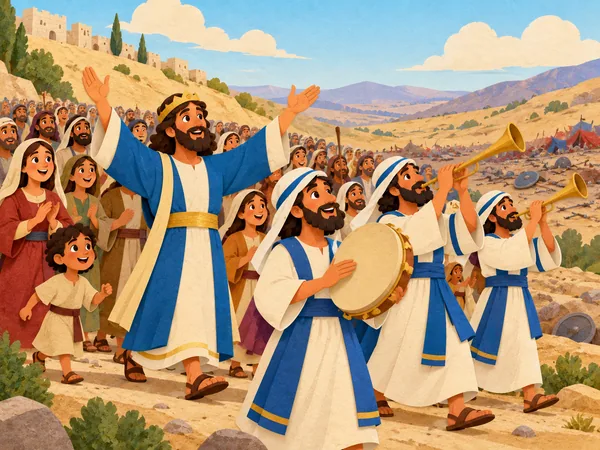
2 Chronicles 20:1–30
When a huge enemy force threatened Judah, Jehoshaphat led the people to pray, and they went out singing as Yahweh gave deliverance.
 Single lesson
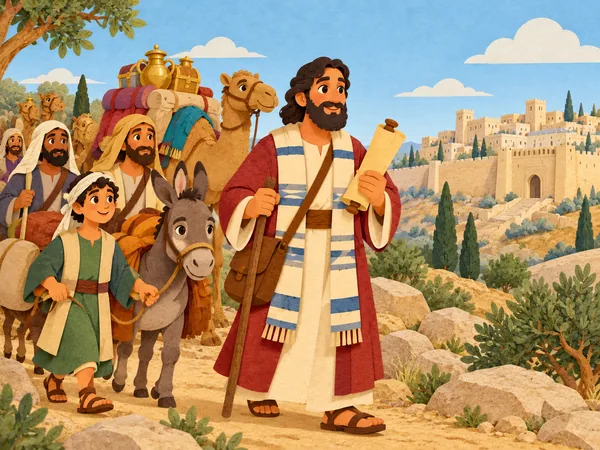
Ezra 7:1–28; Ezra 8:15–36
King Artaxerxes sent Ezra to Jerusalem with gifts for God’s house, and Ezra prepared carefully for the journey.
 Single lesson
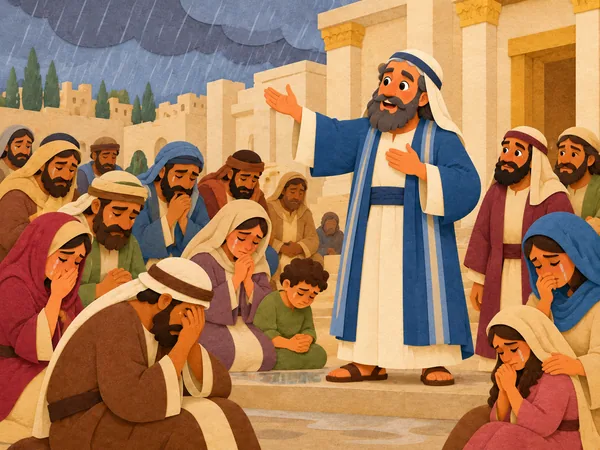
Ezra 9:1–4; Ezra 10:1–17
After a serious wrong was reported, Ezra and the returned community gathered before God and faced a painful decision together.
Ezra 9:5–15
Ezra 9:5–15 records a prayer of confession. Ezra speaks with grief, admits guilt before God, remembers God’s kindness, repeats the command that was broken, and ends by saying God is righteous while the people stand guilty.
 Single lesson
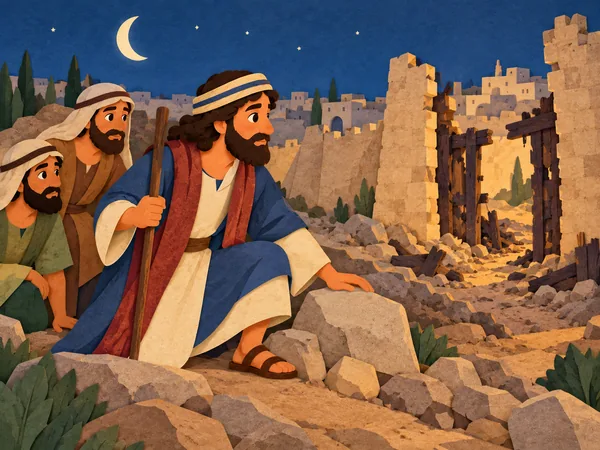
Nehemiah 1:1–2:20
After hearing of Jerusalem’s ruin, Nehemiah prayed, received the king’s permission, and quietly inspected the city before urging the people to rebuild.
 Single lesson
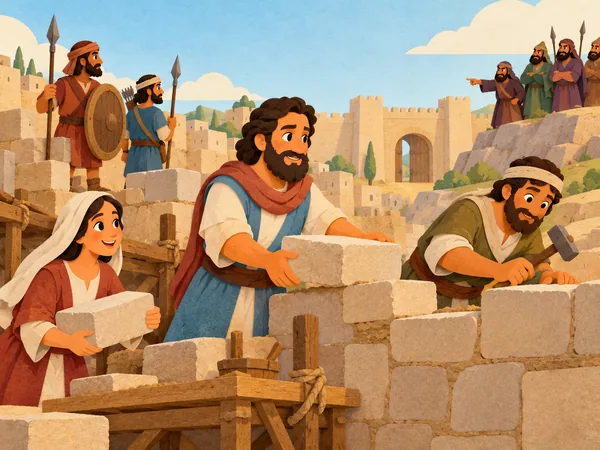
Nehemiah 4:1–23; Nehemiah 6:1–7:3
Nehemiah and the people rebuilt Jerusalem’s wall while facing mockery, threats, fear, and schemes to stop the work.
 Single lesson
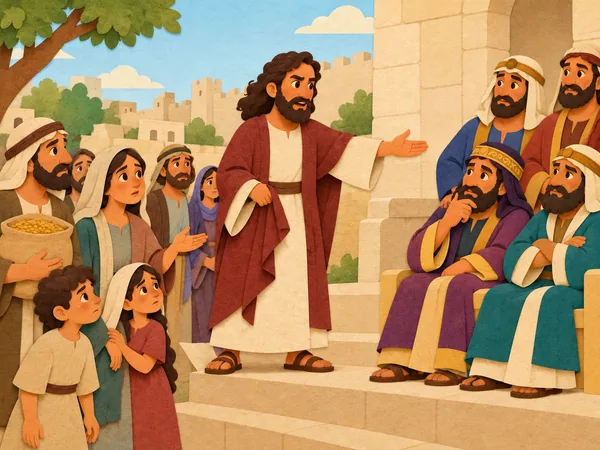
Nehemiah 5:1–19
When struggling families cried out, Nehemiah challenged the leaders and urged them to give back what they had taken.